What Is Borivali Famous For? 10 Things That Define This Suburb
Featured Image of What Is Borivali Famous For? 10 Things That Define This Suburb


Borivali is famous for Sanjay Gandhi National Park, the old Kanheri Caves and its very busy station. It is also known for the Vipassana Pagoda, Gorai Beach and its lively food and shopping lanes. Families love Borivali for its green cover, good schools and settled neighbourhoods. Together, these features make it one of Mumbai's most loved suburbs.

Borivali Is Famous For Why It Stands Out
Sanjay Gandhi National Park About 103.8 sq km of forest with over 20 lakh visitors a year
Kanheri Caves 109 rock-cut Buddhist caves dating back nearly 2,000 years
Borivali railway station The busiest station on the western suburban line
Global Vipassana Pagoda A 99-metre pagoda with the world's largest pillarless meditation dome
Gorai Beach A calm beach escape at the city's western edge
Mandapeshwar Caves A 1,500-year-old rock-cut shrine inside the suburb
IC Colony A green neighbourhood built around a church from 1544
Khau Gali and Jambli Gali Popular street food and shopping lanes
Leopards One of the highest urban leopard densities in the world
Family living Settled, safe neighbourhoods with good schools

Why Is Borivali Famous for Sanjay Gandhi National Park?


Borivali is famous for Sanjay Gandhi National Park because the park's headquarters and main gate sit here. The park covers about 103.8 sq km and draws more than 20 lakh visitors a year.

Few cities in the world have a national park of this size inside their limits. Inside, you can take lion and tiger safaris, ride the Van Rani mini train and walk forest trails. The park is also known for its leopards, with one of the highest leopard densities ever recorded.

For Borivali residents, the park means cleaner air, cooler mornings and weekend outings close to home. Many locals walk or jog on its outer paths before work.

Kanheri Caves: Borivali's Ancient Heritage


The Kanheri Caves sit inside the national park and rank among Mumbai's oldest monuments. The site has 109 caves carved from a single basalt hill.

These caves served as a Buddhist monastery and school. Their carvings date from the 1st to the 10th century CE. Visitors can see a large prayer hall with a stupa, stone beds and rock-cut water channels. The caves draw history fans, students and people with cameras all year round.

Borivali Railway Station: A Transit Landmark


Borivali station is famous as the busiest station on Mumbai's western suburban line. It serves about 2.87 lakh passengers every day across 10 platforms.

It acts as a terminal for many slow and fast local trains, so commuters often find seats here. It is also the last city-limit stop for mail and express trains leaving Mumbai. The station opened back in the 1860s, when British records spelled the name "Berewlee".

The Global Vipassana Pagoda


The Vipassana Pagoda at Gorai is one of the most eye-catching sights in the area. It stands 99 metres tall and opened in February 2009.

Its central dome can hold about 8,000 meditators and has no pillars inside. That makes it the world's largest meditation hall of its kind. It was named one of the Seven Wonders of Maharashtra in 2013.

Beaches and Coastline


Borivali's western side opens onto Gorai and Manori, two calm beaches near the city. Gorai is known for sunsets and weekend breaks, while Manori feels even quieter.

Many families head to these beaches for a short break without leaving Mumbai at all. Small resorts and cottages along the coast make overnight stays easy.

Mandapeshwar Caves and IC Colony


The area also has old sites that many people in Mumbai have never seen. The Mandapeshwar Caves were cut about 1,500 years ago, first for monks and later as a Shiva shrine.

Nearby, IC Colony grew around the Our Lady of Immaculate Conception Church, built from 1544. Today, it is one of the greenest and most wanted parts of the suburb. Its feast on 8 December draws large crowds each year.

Street Food and Shopping


Borivali is famous among food lovers for its busy street food lanes. Khau Gali serves everything from classic vada pav to cheese-loaded chaat.

Jambli Gali is the go-to market for colourful chaniya cholis, sarees and jewellery at fair prices. Sky City Mall in Borivali East, open since March 2025, adds a big new mall to the mix.

Festivals and Community Life


The suburb is also known for the way it marks its big festivals. Ganesh Chaturthi brings big public pandals and long processions to many streets. Navratri turns grounds into dance floors for garba and dandiya, often until late at night.

At IC Colony, the church feast in December draws large crowds from across the city. Diwali lights up markets like Jambli Gali, where shoppers pack the lanes for clothes and gifts. These events give the area a warm, close feel that new people notice fast.

Borivali Through the Seasons


The suburb changes with the seasons, and each one has its own charm. In the monsoon, the national park turns deep green, and small waterfalls appear near Kanheri. Winter brings cool mornings that suit walks, cycling and treks. Summer evenings are best spent by the sea at Gorai.

This link to nature through the year is rare in a big city like Mumbai. It is one more reason why people remember Borivali long after a visit.

Why Families Choose Borivali


Beyond its sights, the area is best known as a place where families love to live. Its neighbourhoods feel settled, with schools, hospitals and markets close to most homes.

The suburb's name even reflects its roots, coming from "bor", the Marathi word for the Indian jujube tree. Its large Marathi and Gujarati groups give it a warm, festive feel all year.

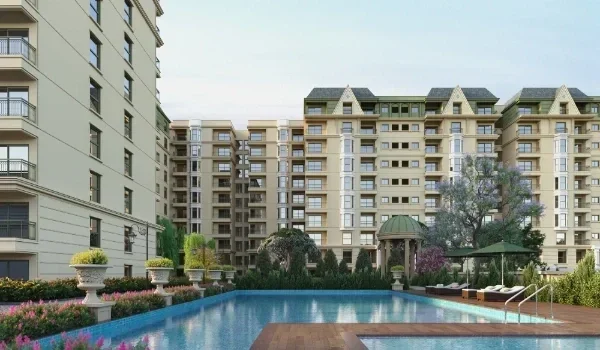
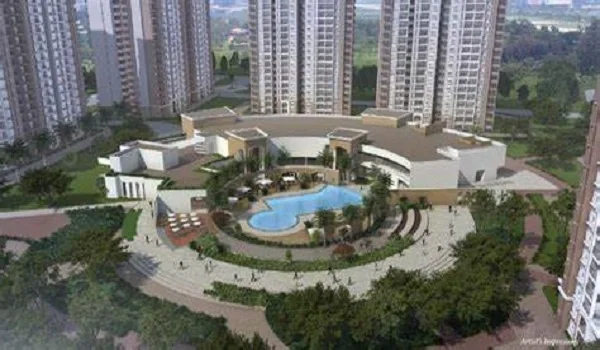
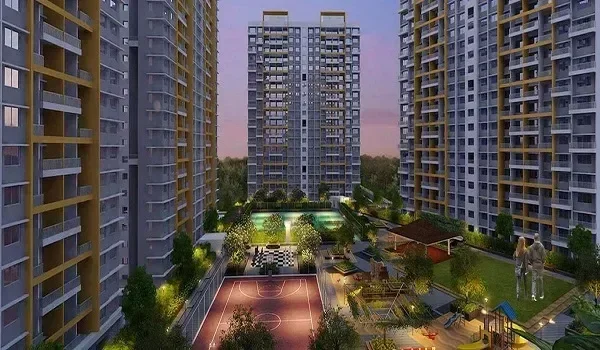
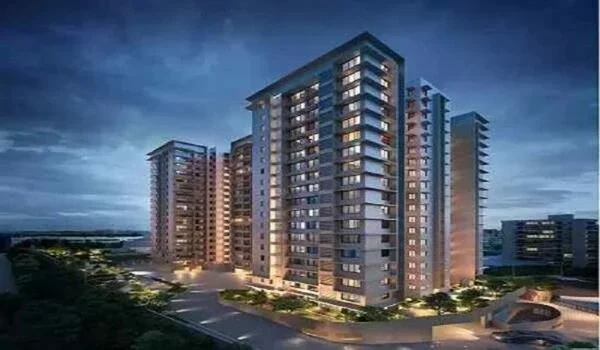
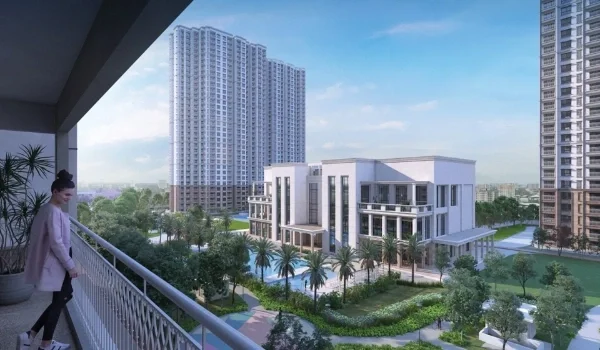
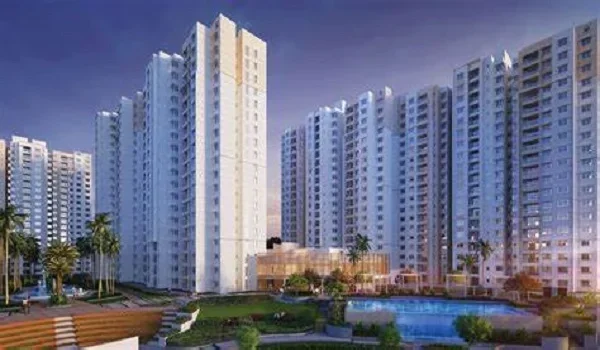
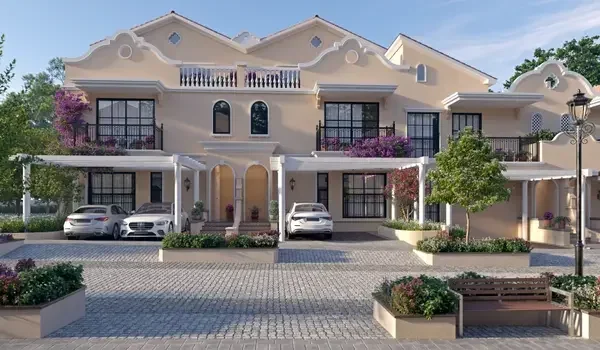
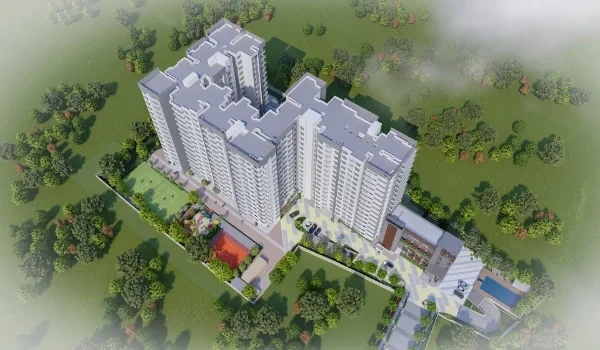
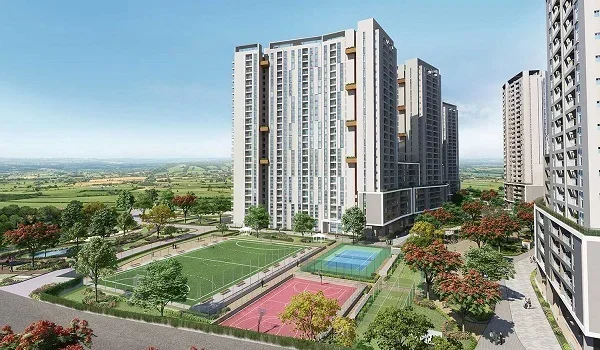
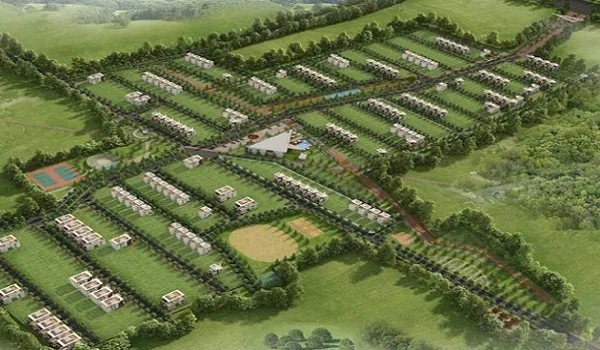
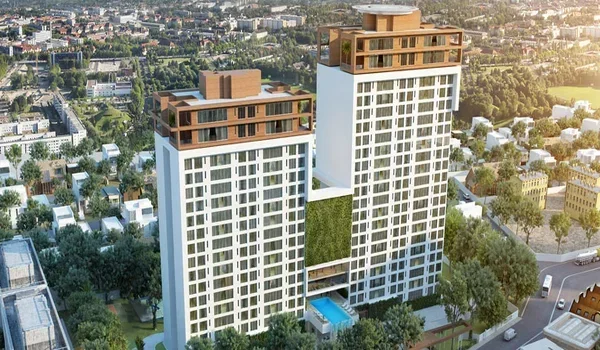
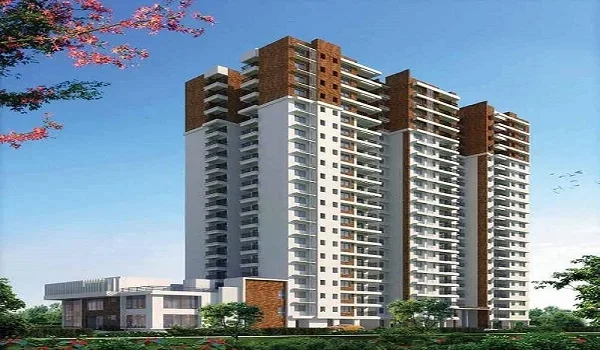
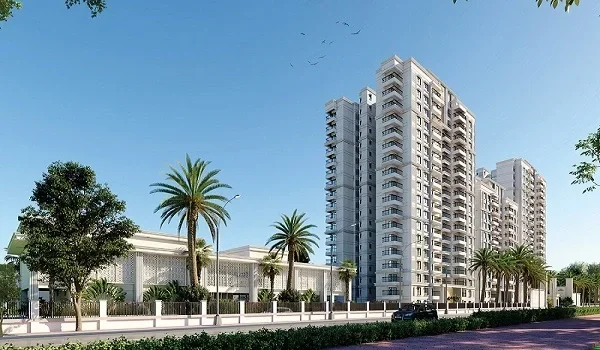
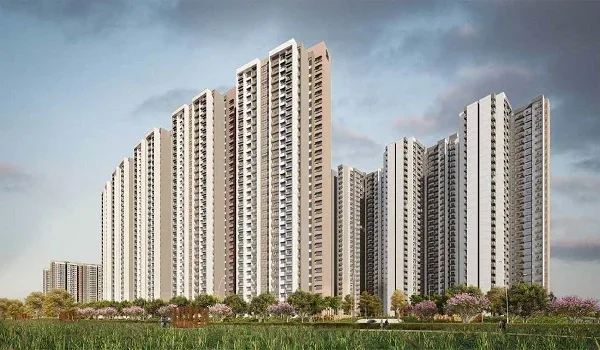
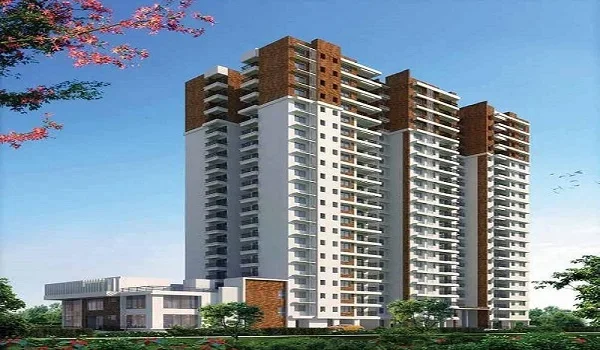
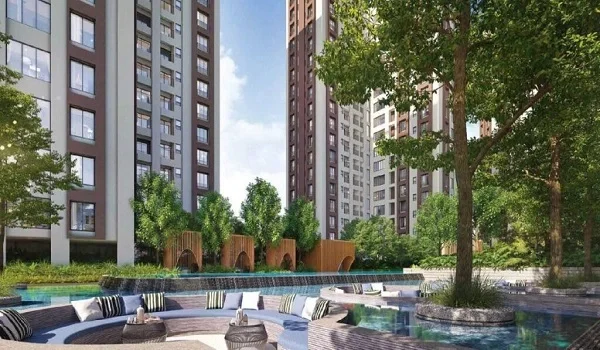
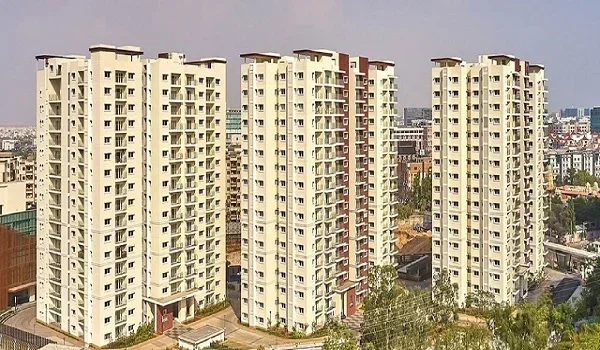
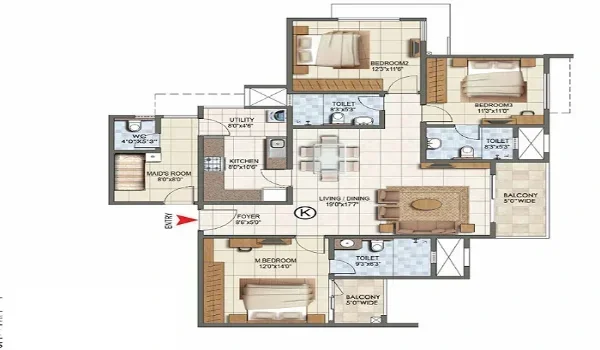
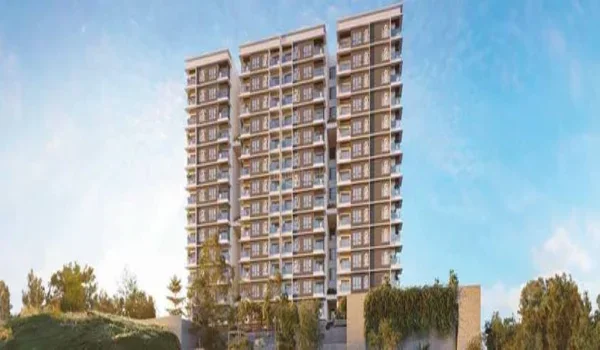
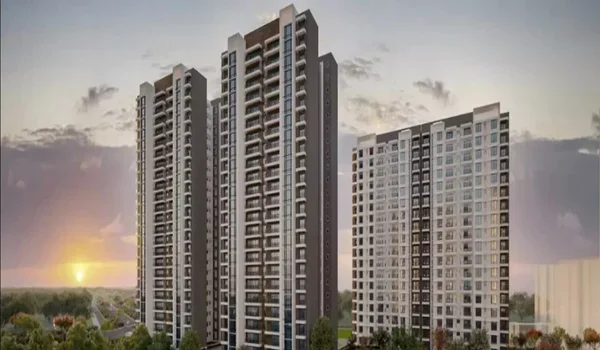
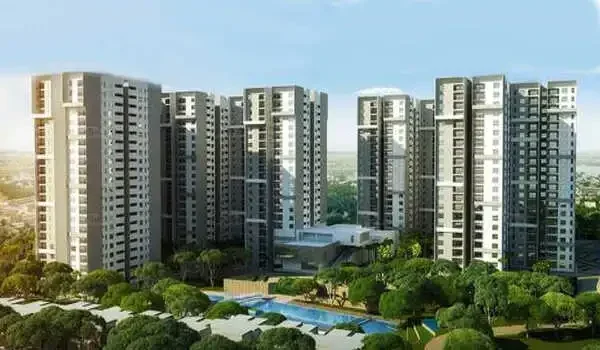
Many families now look at new projects near the national park. Prestige Grove Park, a pre-launch Prestige Group project in Borivali, plans about 1,500 homes next to the park. It keeps about 35% of its 8-acre site as open green space, in line with Borivali's green character.

FAQs


1. What is Borivali famous for?

Borivali is famous for Sanjay Gandhi National Park, Kanheri Caves and its busy railway station. It is also known for the Global Vipassana Pagoda and Gorai Beach.

2. Why is Borivali called Borivali?

The name comes from "bor", the Marathi word for the Indian jujube tree. Old British records spelled the name as "Berewlee" instead.

3. Is Borivali station the busiest in Mumbai?

Borivali is the busiest station on Mumbai's western suburban line. It serves about 2.87 lakh passengers a day.

4. What is the famous food street in Borivali?

Khau Gali in Borivali West is the most famous food lane. It serves vada pav, chaat and many fusion snacks.

5. Are there leopards in Borivali?

Yes, Sanjay Gandhi National Park next to Borivali has one of the world's highest urban leopard densities. The leopards mostly stay deep inside the forest and away from homes.

6. What is the famous market in Borivali?

Jambli Gali is Borivali's most famous market for clothes, sarees and jewellery. Shoppers love it for its fair prices and wide choice.

  • Borivali's fame comes from its rare mix of forest, heritage, transit and community life. Few suburbs anywhere can offer ancient caves, a national park and a busy terminal station side by side. That blend is exactly why so many families choose to call Borivali home.

Prestige Grove Park Blog


Enquiry
Enquire Now