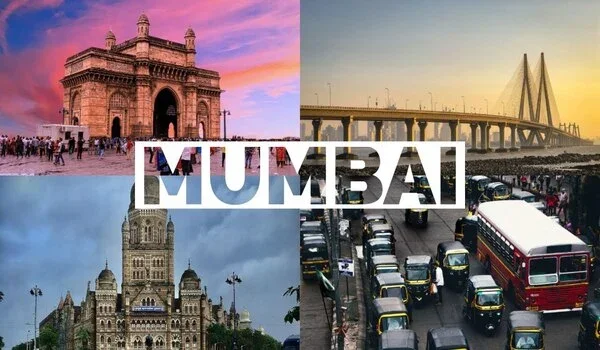
Mumbai

Featured Image of Mumbai


Mumbai is the capital of Maharashtra and India's financial hub, on the west coast by the Arabian Sea. The city grew from seven islands and now spans about 603 sq km under the BMC. The wider Mumbai Metropolitan Region, which includes Thane and Navi Mumbai, is home to over 2 crore people. It hosts the RBI, SEBI, both major stock exchanges and the head offices of most large banks. For home buyers, Mumbai is India's biggest housing market, with 12,503 property registrations in August 2026 alone. New metro lines, the coastal road and a second airport now open up areas like Borivali and Thane.
Mumbai Property Market at a Glance


Particular Details
Region Mumbai Metropolitan Region (MMR)
Key Business Hubs Nariman Point, Lower Parel, Worli, BKC, Andheri, Powai
August 2026 Registrations 12,503 (up 11% year on year)
August 2026 Stamp Duty ₹1,123 Cr (up 12% year on year)
Q2 2026 MMR Sales 28,710 homes
Home Loan Repo Rate 5.25% (unchanged in August 2026)
Stamp Duty in Mumbai 6% for men, 5% for women (includes 1% metro cess)
Registration Fee 1% of value, capped at ₹30,000

Latest Mumbai Real Estate News in 2026


Here are the biggest updates for Mumbai home buyers from this year, listed from newest to oldest.

  • 3 September 2026: The Centre approved Metro Lines 5 and 5A, covering 34.2 km and 19 stations. This ₹18,131 Cr project will link Thane with Bhiwandi, Kalyan and Ulhasnagar.
  • 31 August 2026: Mumbai logged 12,503 property registrations in August, the highest for the month in over 14 years. Stamp duty income rose 12% to ₹1,123 Cr.
  • 6 August 2026: The RBI kept the repo rate at 5.25% in its August policy meeting. So your floating home loan EMI stays the same for now.
  • July 2026: Registrations touched 13,824 in July, with stamp duty of ₹1,255 Cr. This was one of the strongest months for the city this year.
  • 15 July 2026: Navi Mumbai International Airport was set to start its first overseas flight, to Abu Dhabi. The airport has handled domestic flights since 25 December 2025.
  • 29 June 2026: ANAROCK reported that MMR sold 28,710 homes in April to June, 8% lower than last year. Even so, MMR stayed India's largest housing market by a wide margin.
  • 7 April 2026: Metro Line 9 opened its first stretch from Dahisar East to Kashigaon. It now links the Borivali and Dahisar belt with Mira-Bhayandar.
  • 6 March 2026: The Maharashtra Budget cleared Metro Line 11 from Wadala to Gateway of India at ₹23,487 Cr. It also backed Metro Line 8, a ₹22,862 Cr link between the two airports.

Why Buy a Home in Mumbai


Mumbai stays India's financial capital, and that drives steady demand for homes year after year. Here is why buyers and investors keep choosing the city.

  • Mumbai hosts the head offices of major banks, the RBI, SEBI and India's top stock exchanges.
  • Jobs across finance, media, trade and tech keep rental demand strong in most suburbs.
  • Record registration numbers show that buyers keep closing deals even in slower quarters.
  • New metro lines, roads and a second airport are opening up fresh areas at lower prices.
  • Homes in good locations hold value well, since land in the city stays scarce.

Best Areas to Buy a Home in Mumbai


Mumbai is not one market but many, and each zone suits a different budget and lifestyle. This table gives you a quick view of the main zones and who they suit best.

Zone Key Areas Price Band Best For
South Mumbai Colaba, Malabar Hill, Marine Lines Ultra-luxury Buyers who want heritage, sea views and top addresses
Central Mumbai Worli, Lower Parel, Prabhadevi Luxury Professionals working in Lower Parel and BKC
Western Suburbs Bandra, Khar, Santacruz, Andheri Luxury to premium Buyers who want quick access to the airport and offices
North-West Suburbs Goregaon, Malad, Kandivali, Borivali Premium Families who want space, green cover and rail links
Central Suburbs Powai, Ghatkopar, Mulund Premium Tech workers and buyers who want eastern access
Thane Ghodbunder Road, Majiwada, Kolshet Mid to premium Buyers who want larger homes at lower prices
Navi Mumbai Kharghar, Ulwe, Panvel Mid-range Buyers betting on the new airport and planned growth

Why the North-West Suburbs Stand Out


The belt from Goregaon to Dahisar offers a strong mix of price, space and links. Here, you get the Western Express Highway, the Western Railway line and three metro lines within reach. The Sanjay Gandhi National Park runs along the eastern edge, which gives these suburbs rare green cover. Borivali West now averages ₹30,000 to ₹31,000 per sq ft, well below prime central areas.

The new Thane-Borivali tunnel and the Versova to Bhayandar coastal road will lift this belt even further. Both projects should open by 2028, and they will cut travel to Thane and the city sharply.

Mumbai Infrastructure That Shapes Property Prices


Infrastructure has been the biggest driver of price growth in Mumbai over the last few years. Here are the key projects that change how you travel and where you can buy.

Project Status in 2026 Impact on Buyers
Metro Line 3 (Aqua Line) Running from Colaba to Aarey Underground link from South Mumbai to the airport belt
Metro Lines 2A and 7 Running Links Andheri to Dahisar along both sides of the suburbs
Metro Line 9 First stretch open, rest due by December 2026 Links Dahisar with Mira-Bhayandar
Mumbai Coastal Road Marine Drive to Worli open Faster drive from South Mumbai to the suburbs
Atal Setu (MTHL) Running Links Sewri with Navi Mumbai in about 20 minutes
Navi Mumbai Airport Domestic flights since December 2025 Opens up Navi Mumbai and eastern MMR
Thane-Borivali Twin Tunnel Under construction, due by mid-2028 Cuts Thane to Borivali travel to 15 to 20 minutes
Versova-Bhayandar Coastal Road Under construction Fast west coast route through the northern suburbs

Areas near a new metro station or tunnel exit often see prices rise before the project even opens. So buying a few years ahead of completion can work well if you choose a trusted builder.

Cost of Buying a Home in Mumbai


The price of the flat is only one part of what you pay in Mumbai. You also need to budget for taxes and fees, which can add 7% to 12% on top.

Cost Head Amount Notes
Stamp Duty 6% for men, 5% for women Includes the 1% metro cess
Registration Fee 1%, capped at ₹30,000 Paid when you register the sale deed
GST 5% on under-construction homes Not charged on ready homes with an OC
Parking and Club Charges Varies by project Ask for these in the cost sheet
Maintenance Deposit Varies by project Usually collected at possession

A woman buyer, or a joint buyer with a woman as first owner, saves 1% on stamp duty. On a ₹3 Cr home, that saving works out to about ₹3 lakh.

Things to Check Before You Buy in Mumbai


Mumbai offers strong returns, but you should check a few things before paying any money.

  • Verify the MahaRERA number and project status on the official MahaRERA website.
  • Confirm whether the quoted size is carpet area, as RERA requires.
  • Ask for a full cost sheet with GST, stamp duty, parking and club charges.
  • Check the builder's delivery record and past projects in the city.
  • Visit the site at peak hours to judge real travel time to your office.
  • Plan your loan with the current 5.25% repo rate and your bank's spread in mind.

New Launches Worth Watching in Mumbai


Big national builders are adding fresh supply across Mumbai's suburbs this year. Prestige Group, for one, plans Prestige Grove Park in Borivali on an 8-acre site beside the national park. It will offer 1,500 homes of 2 and 3 BHK across 6 towers, priced from about ₹2.55 Cr. The launch is planned for March 2027, and possession is targeted for December 2031. That timeline lines up with the tunnel and coastal road, which should both be running by then.

FAQs


1. Is 2026 a good time to buy property in Mumbai?

Yes, registrations hit a 14-year high for August, and home loan rates remain steady. New metro lines, roads and the Navi Mumbai airport keep adding value to many areas. Still, pick a trusted builder and check the MahaRERA details before you pay.

2. What is the stamp duty in Mumbai in 2026?

Stamp duty in Mumbai is 6% for men and 5% for women, including the 1% metro cess. You also pay a registration fee of 1%, capped at ₹30,000. Under-construction homes attract 5% GST on top of these charges.

3. Which are the best areas to buy a home in Mumbai?

For luxury, buyers choose Worli, Lower Parel, Bandra and South Mumbai. For premium family homes, Borivali, Kandivali, Goregaon and Powai offer strong value. Thane and Navi Mumbai suit buyers who want bigger homes at lower prices.

4. How many properties were registered in Mumbai in August 2026?

Mumbai recorded 12,503 property registrations in August 2026, up 11% from August 2025. It was the highest August count in more than 14 years. Stamp duty income for the month rose 12% to ₹1,123 Cr.

5. Which new metro lines will open in Mumbai soon?

The rest of Metro Line 9 to Mira-Bhayandar is due to open by December 2026. The Thane to Bhiwandi part of Metro Line 5 is also close to opening. Metro Lines 8 and 11 have been approved and will take a few more years.

6. Is Borivali a good area to buy a home in Mumbai?

Yes, Borivali offers green cover, a major railway station, two metro lines and quick highway access. Homes in Borivali West average ₹30,000 to ₹31,000 per sq ft, below prime central areas. The new Thane tunnel and coastal road should lift demand further by 2028.

Enquiry
Enquire Now