Why Reputed Builders Matter for Your Peace of Mind When Buying a Home
Featured Image of Why Reputed Builders Matter for Your Peace of Mind When Buying a Home


A reputed builder matters because it lowers the three biggest risks of buying a home. These are delays, poor quality and title problems. Established builders have the cash to keep building, systems to check quality and legal teams for clean titles. They also make home loans, resale and rentals easier, since banks and buyers trust the brand. For a purchase worth crores that takes years to finish, that trust gives you real peace of mind.

Risk When You Buy a Home How a Reputed Builder Reduces It
Construction delays Strong cash flow and many delivered projects keep work on track
Poor build quality Tested contractors, standard specifications and site audits
Title and legal issues In-house legal teams and a history of clean handovers
Home loan hurdles Banks pre-approve projects from trusted developers
Weak resale value Brand recognition draws more buyers at resale
Poor upkeep after handover Many large developers run their own property management teams

What Can Go Wrong With a Lesser-Known Builder?


Most home buyers fear one thing above all, which is a project that stops halfway. That fear has a basis, especially in large cities like Mumbai.

A 2021 Anarock study found about 41,730 homes totally stuck in the Mumbai Metropolitan Region. Those homes were worth about ₹42,417 crore, and many buyers kept paying EMIs with no home in sight. Across India, the same study counted over 6 lakh delayed or stuck homes worth about ₹5 lakh crore.

Delays are only one risk, though, and buyers of weaker projects often face these problems too.

  • Poor waterproofing, cracks and cheap fittings that show up within a few years.
  • Missing Occupation Certificates, which block registration, loans and legal water supply.
  • Title disputes that stop you from selling or taking a loan against the home.
  • Amenities promised in the brochure that never get built.
  • Maintenance gaps after handover, which slowly reduce the value of your home.

Each of these can cost you lakhs to fix and years of stress. A strong builder cannot remove every risk, but it cuts most of them sharply.

What Makes a Builder Truly Reputed?


A big advertising budget does not make a builder reputed. Instead, look for proof that the developer has delivered, again and again, over many years.

  • A long record of completed projects, with homes you can visit and residents you can talk to.
  • An independent grading from an agency such as CRISIL, based on audited numbers.
  • Strong finances, including a healthy net worth and steady cash collections.
  • A clean record on the RERA portal, with few complaints and timely quarterly updates.
  • Occupation Certificates received for past projects without long gaps.
  • Listed company status, which brings public audits and stricter disclosure.

When a builder ticks most of these boxes, you can trust its promises with more confidence. When it ticks only one or two, you should dig much deeper.

How Does RERA Help, and Where Does It Stop?


RERA gave home buyers strong new protections after 2016. Developers must register projects, share progress every quarter and keep 70% of buyer money in a separate account.

Still, RERA works mainly after something goes wrong. It can order refunds or penalties, but it cannot build your home for you. A complaint can also take months or years to resolve. So RERA acts as a safety net, while the builder's strength decides whether you ever need it.

That is why smart buyers use both layers of protection. They check the RERA record first, and then they judge the builder's track record on top of it.

How Can You Check a Builder Before You Book?


You can check most builders in a single afternoon with free online tools and a site visit. Follow these steps before you pay any booking amount.

  • Search the builder and project on the MahaRERA portal and read the quarterly updates.
  • Check the complaints filed against the builder's past projects on the same portal.
  • Look for an independent grading from CRISIL or a similar agency.
  • Visit one or two finished projects and speak to residents about quality and upkeep.
  • Ask whether past projects received their Occupation Certificates on time.
  • For a listed builder, read the latest annual report for debt and cash flow.
  • Confirm which banks have approved the project for home loans.

These checks take little time, yet they give you a clear picture of the risk. They also help you spot warning signs long before you sign an agreement. If a builder dodges your questions or rushes you to pay, treat that as a warning sign.

Is a Reputed Builder Worth the Higher Price?


Branded projects often cost more per sq ft than similar homes from smaller builders. For most buyers, however, that premium pays back in several ways.

What You Pay For What You Get Back
A higher rate per sq ft Lower risk of delays and stalled construction
Brand premium Faster resale at better prices
Higher maintenance charges Better upkeep and longer building life
Stricter payment rules Money linked to real construction progress

Think of the premium as insurance on your largest investment. If a cheaper project stalls for three years, your rent and EMIs can easily exceed the savings. A reputed name also helps when you sell, since buyers pay more for a brand they already trust.

How Does Prestige Group Measure Up?


Prestige Group offers a useful example of what a reputed builder looks like on paper. CRISIL reaffirmed its DA1+ developer grading in March 2026, a grade that signals excellent delivery capability.

CRISIL's 2026 rationale records 313 completed projects covering about 206 million sq ft across 14 cities. The group also reported pre-sales of ₹30,024 crore in FY 2026. Those numbers point to both deep experience and strong cash flow.

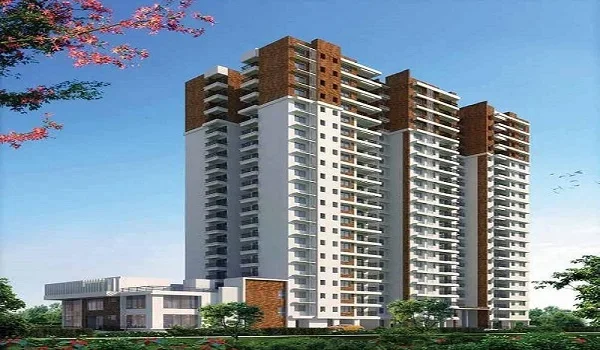
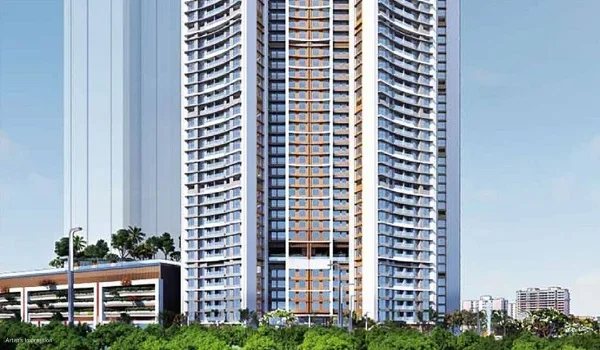
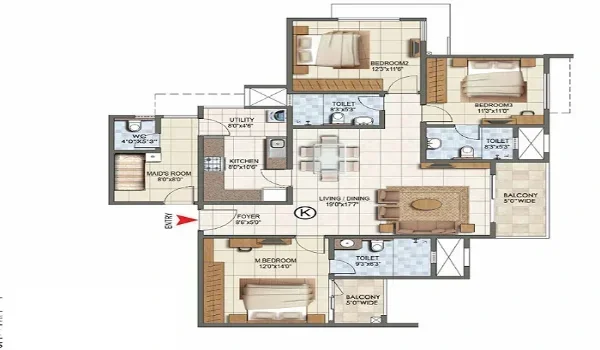
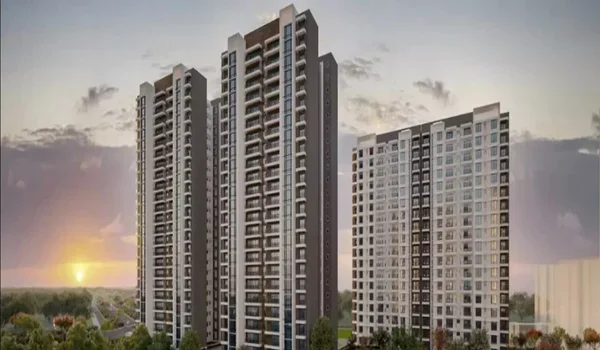
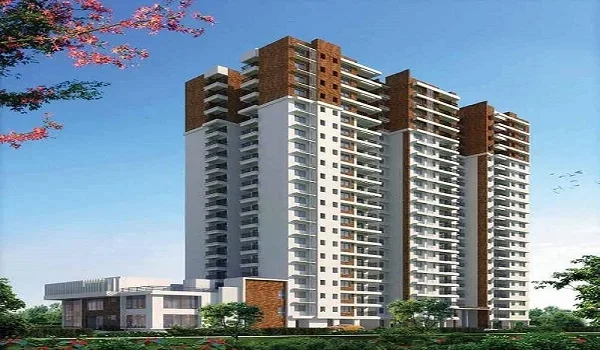
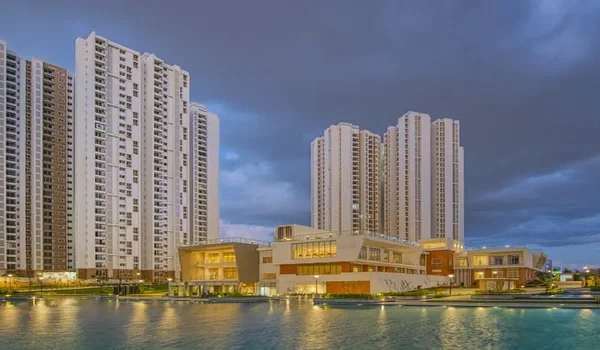
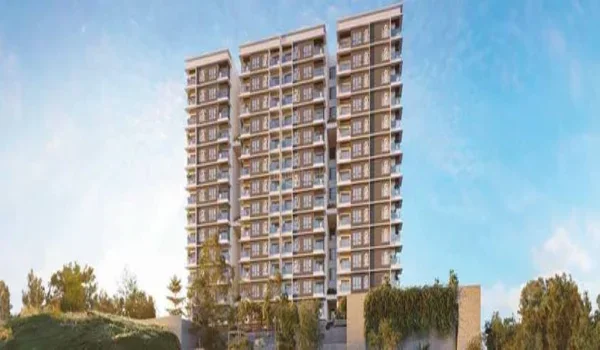
That record matters for projects with long timelines, such as Prestige Grove Park in Borivali. The project plans about 1,500 homes across six towers, with possession targeted for December 2031. On a build that long, the developer's strength becomes your biggest safeguard.

FAQs


1. Why should I buy from a reputed builder?

A reputed builder lowers your risk of delays, poor quality and title problems. It also makes home loans and resale easier, since banks and buyers trust the brand.

2. How do I know if a builder is reputed?

Check the builder's completed projects, RERA record and any CRISIL grading. Visit a finished project and talk to residents about quality and upkeep.

3. Does RERA protect me from a bad builder?

RERA offers strong protection through registration, quarterly updates and escrow rules. However, it mainly helps after problems arise, so the builder's record still matters.

4. Are branded projects worth the extra cost?

For most buyers, yes, since branded projects carry lower delay risk and resell faster. The premium often costs less than the rent and EMIs of a stalled project.

5. What is a CRISIL developer grading?

It is an independent grade that rates how well a builder delivers on time, quality and titles. DA1+ is the highest grade on that scale.

6. Is Prestige Group a reputed builder?

Prestige Group holds a CRISIL DA1+ grading, reaffirmed in March 2026. It has completed 313 projects covering about 206 million sq ft across 14 cities. Buying a home is among the biggest decisions you will make, so choose the builder with care. A reputed developer does not remove every risk, but it removes the ones that hurt most. Check the record, visit finished homes and let proof, not promises, guide your choice.

Prestige Grove Park Blog


Enquiry
Enquire Now