NRI Guide to Buying Property in Mumbai
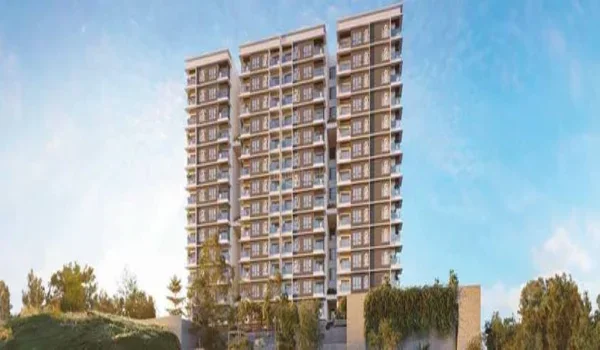
Featured Image of NRI Guide to Buying Property in Mumbai


NRIs and OCI card holders can buy homes and commercial property in Mumbai without any RBI approval. Under FEMA rules, you cannot buy agricultural land, plantation property or farmhouses. You must pay through Indian banking channels, like an NRE, NRO or FCNR account. You can take a loan from an Indian bank and handle the deal through a power of attorney. This guide covers each step, the papers you need, tax rules and how to send money back.
What NRIs Can and Cannot Buy


Property Type Can NRIs Buy?
Residential flats and houses Yes, with no limit on number
Commercial property Yes
Agricultural land No
Plantation property No
Farmhouses No

NRIs can also receive any property as a gift or inheritance from a resident Indian relative.

How NRIs Can Pay for Property


All payments must go through Indian banking channels. You cannot pay in foreign currency notes or travellers' cheques.

  • Inward remittance from abroad through normal banking channels.
  • Funds from your NRE account, which holds your foreign earnings.
  • Funds from your NRO account, which holds your Indian income.
  • Funds from your FCNR account, held in foreign currency.
  • Home loan from an Indian bank or housing finance company.

Paying from an NRE or FCNR account makes it easier to send sale money back abroad later.

Step-by-Step Buying Process for NRIs


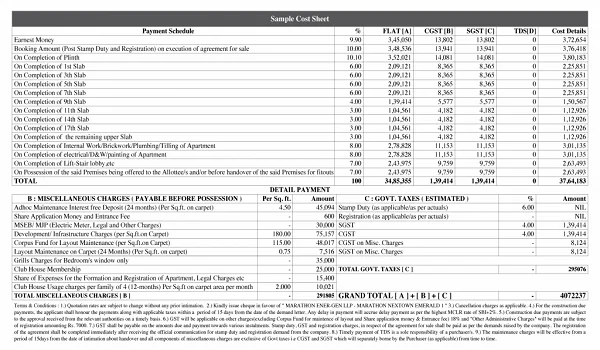
  • Set your budget, including GST, stamp duty and other charges.
  • Shortlist projects and check each one's MahaRERA registration.
  • Get a PAN card, if you do not already have one.
  • Apply for home loan pre-approval with an Indian bank.
  • Book your home and pay the booking amount from your NRE or NRO account.
  • Sign the Agreement for Sale, in person or through a power of attorney.
  • Pay stamp duty and register the agreement at the sub-registrar's office.
  • Pay the builder in stages as per the payment plan.
  • Take possession and register the final sale deed where needed.

Documents Required for NRIs


Document Why You Need It
Valid passport Proof of identity and NRI status
OCI card, if applicable Proof of eligibility for foreign citizens of Indian origin
PAN card Needed for property deals and tax filing
Overseas address proof Required by banks and builders
Passport-size photos For the agreement and loan papers
Power of attorney, if used Lets a trusted person act for you in India
Bank statements (NRE or NRO) Proof of payment through legal channels

Home Loans for NRIs


Most leading Indian banks offer home loans to NRIs. Rates are close to those for residents, often starting in the 7% range for strong profiles. Banks usually lend up to 75% to 80% of the property value.

You repay the loan from your NRE or NRO account, or through inward remittance. Banks look at your overseas income, job stability and credit history. Some also ask for a co-applicant who lives in India.

Using a Power of Attorney


Many NRIs cannot travel to Mumbai for every step. A power of attorney lets a trusted family member sign papers and register the deal for you. You sign it abroad before the Indian consulate or a notary, and then get it stamped in India.

Keep the power of attorney specific to the property and its tasks, which protects you from misuse.

Tax Rules NRIs Should Know


  • Rent you earn from Indian property is taxable in India, and the tenant must deduct TDS.
  • When you sell, the buyer must deduct TDS on your capital gains before paying you.
  • Long-term gains apply if you hold the property for more than 24 months.
  • A Double Taxation Avoidance Agreement may stop you from paying tax twice.

Tax rules change often, so speak to a chartered accountant before you buy or sell.

Repatriating Money After a Sale


NRIs can send sale proceeds abroad within set limits under FEMA. You can repatriate the sale value of up to two residential properties. The amount you can send back usually cannot exceed what you paid in foreign exchange.

Keep all payment records, bank statements and tax papers safe. You will need them when you apply to your bank for repatriation.

Why NRIs Choose Branded Projects in Mumbai


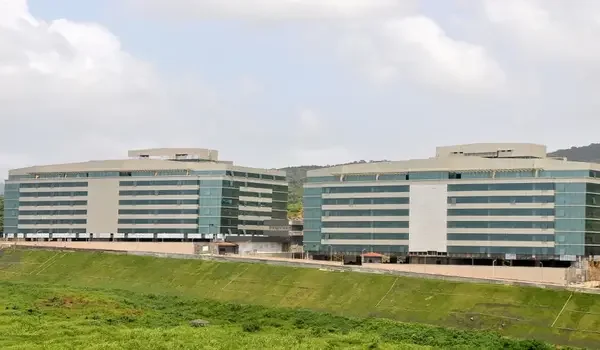
NRI buyers often choose large branded projects, as they cannot visit the site often. Trusted builders offer MahaRERA-registered projects, digital updates and clear paperwork. For example, Prestige Grove Park in Borivali offers 2 and 3 BHK homes from about ₹2.55 Cr. The project plans to launch in March 2027, with possession targeted for December 2031.

Look for builders who offer video calls, online payment tracking and a dedicated NRI desk. These make the whole process much easier from abroad.

FAQs


1. Can NRIs buy property in Mumbai?

Yes, NRIs and OCI card holders can buy residential and commercial property in Mumbai. They do not need special RBI approval for this. They cannot buy agricultural land, plantation property or farmhouses.

2. Can NRIs get a home loan in India?

Yes, most Indian banks offer home loans to NRIs. They usually fund up to 75% to 80% of the property value. You repay the loan from your NRE or NRO account or through remittance.

3. Which account should NRIs use to pay for property?

You can pay from an NRE, NRO or FCNR account, or through direct inward remittance. Payments from NRE or FCNR accounts make repatriation easier, but you cannot pay in foreign cash.

4. Do NRIs pay the same stamp duty as residents?

Yes, NRIs pay the same stamp duty and registration fee as residents. In Mumbai, stamp duty is 6%, or 5% for women buyers. The registration fee is 1%, capped at ₹30,000.

5. Can an NRI buy property without visiting India?

Yes, an NRI can buy through a power of attorney given to a trusted person in India. You sign the power of attorney at an Indian consulate or before a notary abroad. You then get it stamped in India before use.

6. Can NRIs send the sale money back abroad?

Yes, NRIs can repatriate sale proceeds of up to two residential properties. The amount usually cannot exceed what you paid in foreign exchange. Keep all payment and tax records for your bank.

Enquiry
Enquire Now