Eco-Sensitive Zone Rules Around Sanjay Gandhi National Park: What Buyers Must Check
Featured Image of Eco-Sensitive Zone Rules Around Sanjay Gandhi National Park: What Buyers Must Check


Eco-sensitive zone rules around Sanjay Gandhi National Park control building in a 100-metre to 4 km belt. The Union environment ministry notified this zone on 5 December 2016, and it covers about 59.46 sq km. Housing can go ahead, but each project must follow the Development Plan, planning law and zone rules. So before you book a flat near the park, check the plot's zone status, approvals and court cases.

Homes near the park offer green views and cleaner air, which explains their strong demand. This guide explains the rules in plain words and gives you a clear checklist to protect your money.

What Is the SGNP Eco-Sensitive Zone?


An eco-sensitive zone, or ESZ, is a buffer belt around a protected forest. It acts like a shock absorber between the wild area and the busy city. The goal is to stop harmful work near the forest while still letting people live and work there.

Sanjay Gandhi National Park spreads over about 103 sq km across Mumbai Suburban and Thane districts. It also holds the Tulsi and Vihar lakes, which supply water to the city. Its ESZ includes about 19.25 sq km of forest land and 40.21 sq km of non-forest land.

The width of the zone changes from place to place. In crowded parts of the city, it starts at just 100 metres from the park boundary. In open areas, it stretches up to 4 km.

The Rules in Simple Words


The 2016 notification sorts activities into three groups. The rules ban some, need approval for others and actively support the rest.

Activities the rules ban

Commercial mining, stone quarrying and crushing units cannot run inside the zone. Polluting industries also stay out. These bans protect the soil, the water and the wildlife of the park.

Activities that need approval

Construction falls in the regulated group, not the banned group. New buildings must follow BMC rules, the approved Development Plan and the Maharashtra Regional and Town Planning Act. Tree felling, hotels and large infrastructure projects also come under this group.

Activities the rules allow

The rules allow local farming, rainwater harvesting, organic farming and solar or other green energy. They actively support these practices because they help the forest.

The 2026 Zonal Master Plan and Its Three Sub-Zones


The notification asked the state to prepare a Zonal Master Plan for the ESZ. The Maharashtra government approved this plan through a resolution dated 20 March 2026. The plan now acts as the main rulebook for land use inside the zone.

It divides the ESZ into three parts based on how fragile each area is.

Sub-Zone Name What It Means for Buyers
ESZ-1 Settlement Zone Built-up areas that follow the local Development Plan, where housing can go ahead
ESZ-2 Regulated Development Zone Mostly open or green land where projects need an approved Environmental Management Plan
ESZ-3 Ecologically Fragile Zone Mangroves, tree-covered hills and buffers where the plan largely rules out new building

A monitoring committee watches over the zone and checks projects that need its nod. The BMC Commissioner chairs this committee. Some activists still question parts of the plan, so watch for court cases linked to it.

8 Things Buyers Must Check Before Booking


A flat near the park can be a great buy, but only when the paperwork is clean. Use this checklist before you pay any token amount:

  • Zone status of the plot: Ask the developer whether the plot falls inside the ESZ. Match its survey or CTS number with the notification list and the plan maps.
  • Sub-zone category: If the plot lies in the ESZ, find out which sub-zone it falls in. This decides how much building the rules allow.
  • Development Plan zoning: Check that the land carries a residential zone in the BMC Development Plan. Land marked as a No Development Zone is a red flag.
  • ESZ committee approval: Where the rules call for it, ask for the monitoring committee's approval letter. Read its conditions closely.
  • Environmental clearance: Large projects with a big built-up area need clearance from the state's environment authority. Ask for a copy and check its date.
  • Building permits: Look for the BMC approval and the Commencement Certificate. Then match these with the details on the project's MahaRERA page.
  • Tree cutting permission: Any tree removal needs the Tree Authority's approval. Ask how many trees the project will cut and how many it will plant.
  • Court cases: Search for High Court or National Green Tribunal cases on the plot or the project. A pending case can delay work or possession.

Also check that your bank has approved the project for home loans. Banks run their own legal checks, so their approval adds one more layer of comfort.

Why These Rules Can Work in Your Favour


Many buyers see the ESZ only as a risk, but it also protects you. The rules keep polluting units, quarries and sawmills away from your home. They also limit how densely builders can pack the green belt around the park.

This means the open views and fresh air you pay for are more likely to last. Wildlife sightings are part of life here, though. Leopards live in the park, so nearby projects need safe fencing, good lighting and secure waste storage.

Prestige Grove Park and Living Beside SGNP


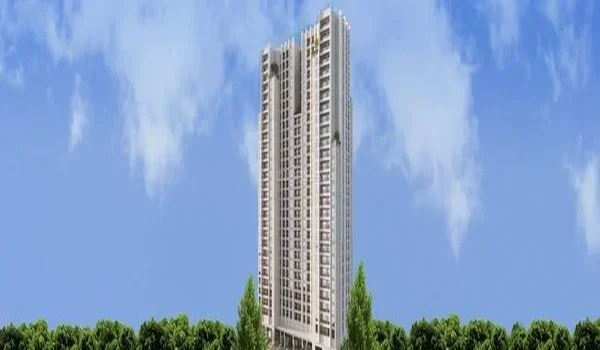
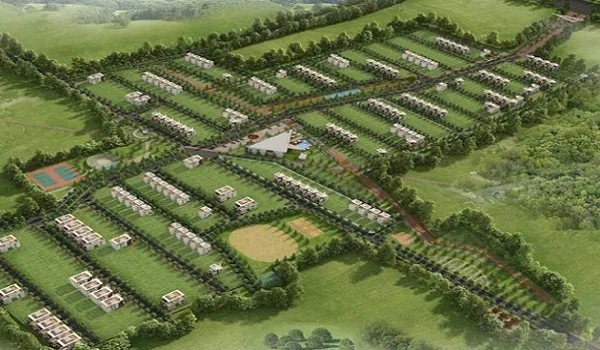
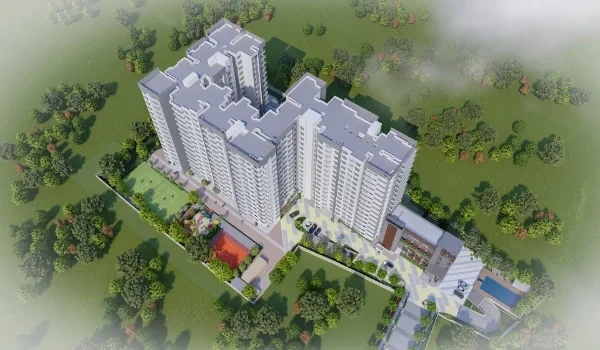
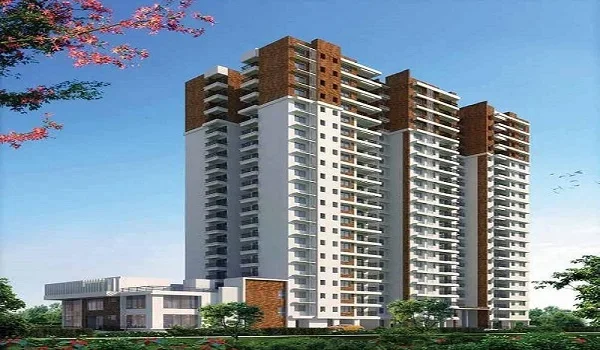
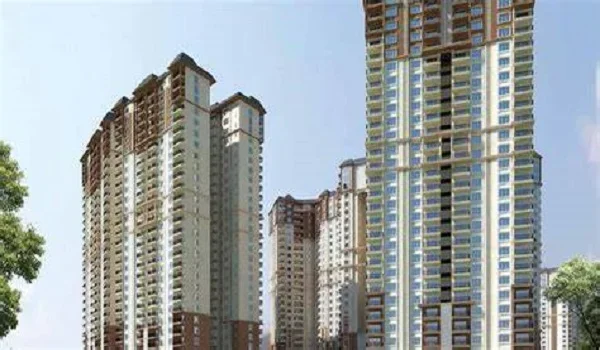
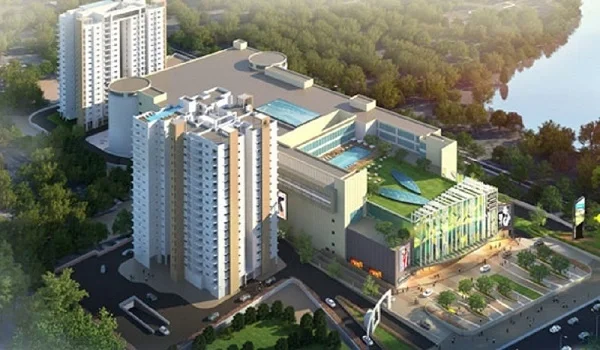
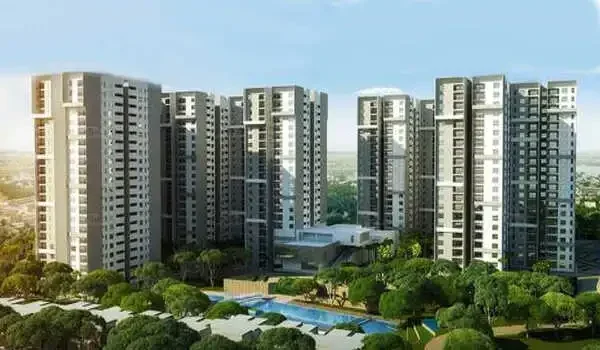
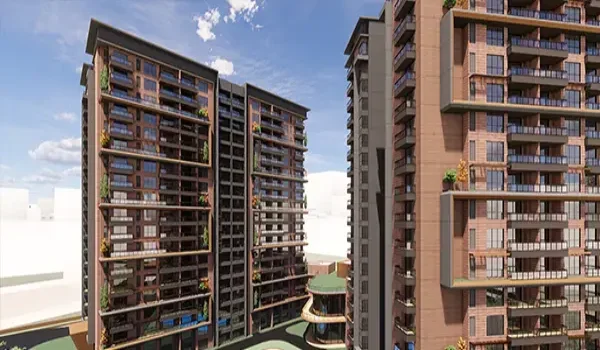
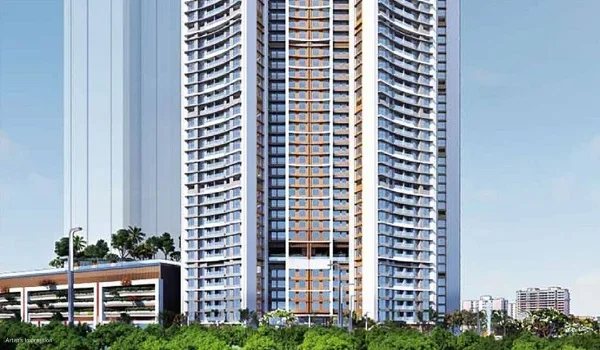
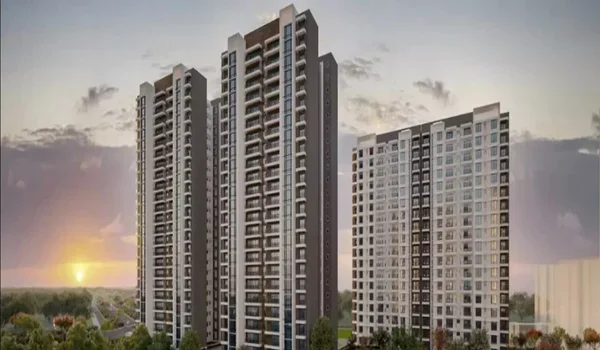
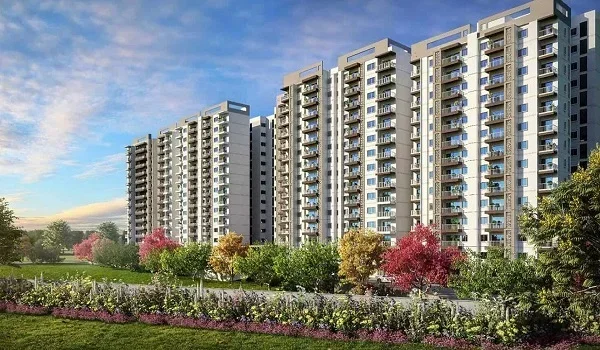
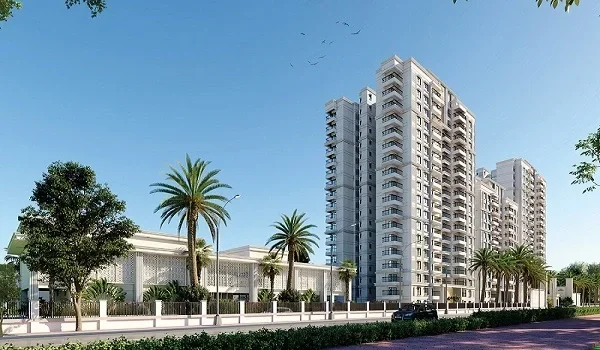
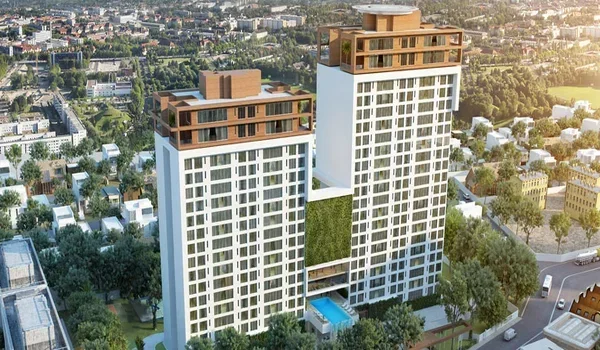
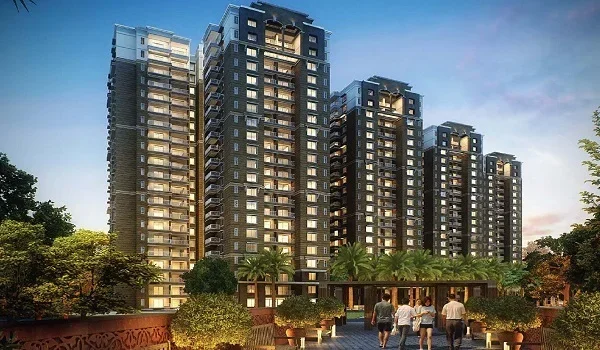
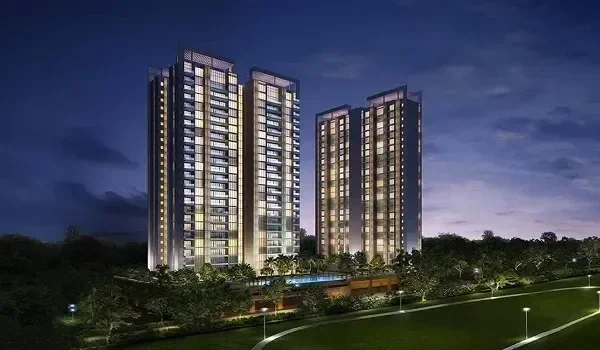
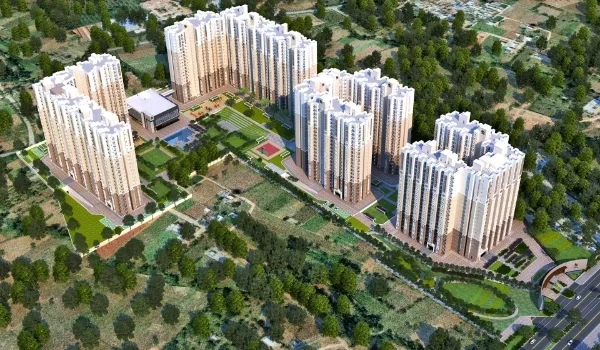
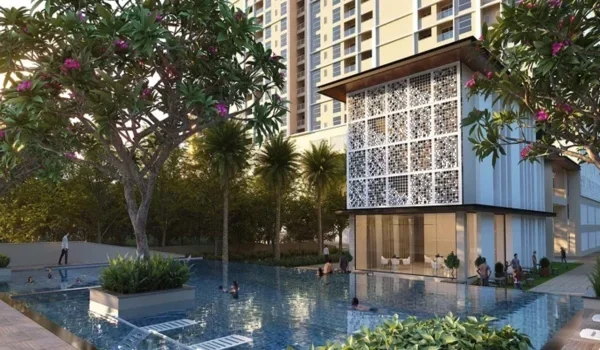
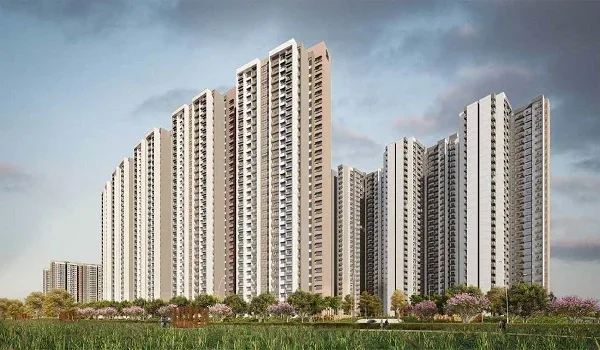
Prestige Grove Park is an upcoming township in Borivali that sits right next to Sanjay Gandhi National Park. It plans six towers with about 1,500 homes on over 8 acres. The launch is set for March 2027, with possession targeted for December 2031.

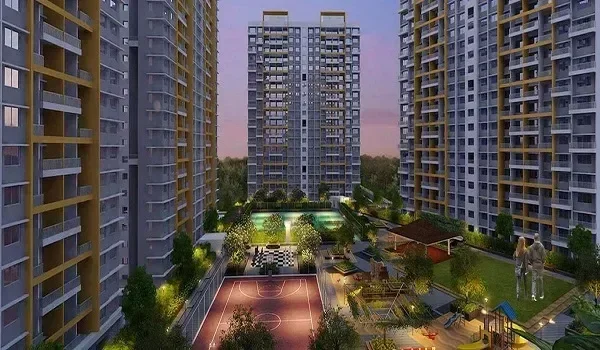
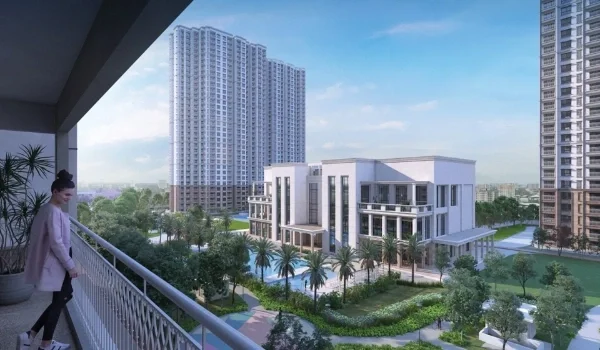
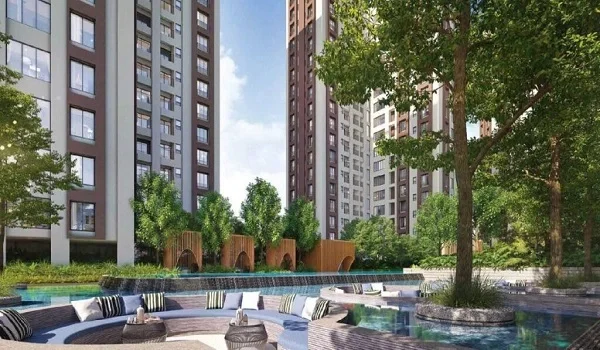
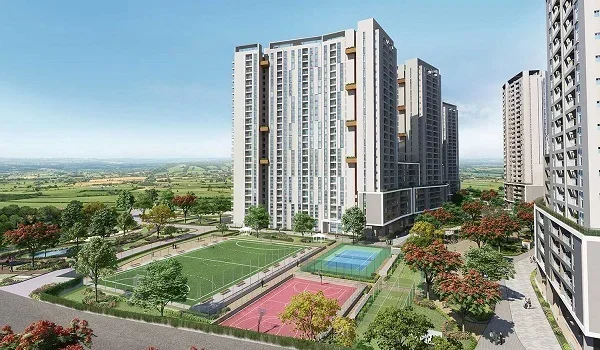
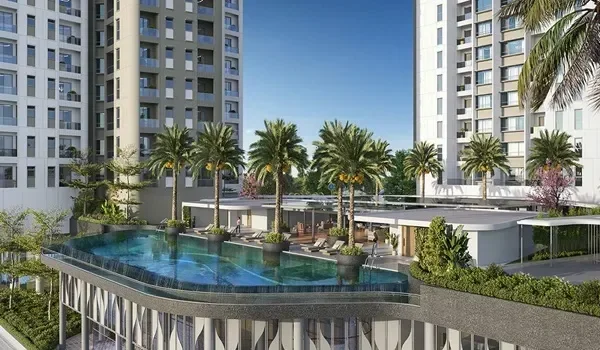
The project's design leans into its green setting. About 35% of the land, or roughly 2.8 acres, stays open as landscaped gardens, courtyards and amenity decks. You can explore the full list on the Prestige Grove Park amenities page. It includes a 0.7-acre clubhouse with a pool, gym and co-working lounge.

Since the project sits beside the park, the checklist above applies directly to it. During your site visit, ask the sales team for the plot's ESZ status and the approvals file. Once MahaRERA registration goes live, you can match each approval on the MahaRERA portal yourself. A listed developer like Prestige must also share key project updates with stock exchanges and investors.

FAQs


1. What is the eco-sensitive zone around Sanjay Gandhi National Park?

It is a notified buffer of about 59.46 sq km around the park. It runs from 100 metres to 4 km from the park boundary, depending on the area.

2. Is construction allowed in the SGNP eco-sensitive zone?

Yes, but only as a regulated activity. New buildings must follow BMC rules, the Development Plan, the town planning law and the zone's conditions.

3. What activities does the SGNP eco-sensitive zone ban?

The rules ban commercial mining, stone quarrying, crushing units and polluting industries. The Zonal Master Plan also bars new building in the most fragile areas.

4. When was the SGNP Zonal Master Plan approved?

The Maharashtra government approved the Zonal Master Plan through a resolution dated 20 March 2026. It divides the zone into three sub-zones.

5. How do I know if a flat near SGNP is in the eco-sensitive zone?

Ask the developer for the plot's survey or CTS number and its zone status. Then match it with the notification list, the plan maps and the MahaRERA project page.

6. Is it safe to buy a flat near Sanjay Gandhi National Park?

Yes, if the project holds all approvals and faces no major court cases. Check the zone status, permits and MahaRERA details before you book.

Prestige Grove Park Blog


Enquiry
Enquire Now